On Working with Your Expedition Sherpa
My Everest expedition style was unguided by a Western guide, but supported by a Sherpa. I would not have been successful without my Sherpa, Chuldim.
I used Yeti Expeditions lead by Mingma Sherpa who is the sirdar (Sherpa leader) for the largest camp on the north side of Everest. He provided me with a Sherpa and a logistical package in Nepal and on the mountain. My package included and excluded:
Included
Arrival & departure airport transfers - airport/hotel/airport
4 nights in Kathmandu in hotel on bed & breakfast basis (3 nights before expedition and 2 nights after expedition)
Hotel in Tibet
Transport: Kerung border/Kathmandu for member & staffs
Transportation in Tibet
Expedition permit, 1 government liaison officer/ interpreter
1 high altitude climbing Sherpa (Everest Summiter) for each member
Nepalese cooks
All Nepalese staff insurance/ daily allowance/Chinese visa fees
Kitchen workers (Tibetans): - 1 for BC and 1 for the ABC
Food during the expedition in BC, Intermediate camp & ABC
All necessary yaks from BC - ABC - BC
VE 25 North Face or similar tents for Base Camp per member
Foam mattresses, dining/kitchen/toilet/store tent, hot shower tent in BC & ABC
Tables & chairs, all necessary cooking gears in BC & ABC
Solar panel & generator in BC & ABC
Gas heater in BC & ABC in Member dining tent
Big Radio Set in Base Camp for communication
Walkie/talkie for communication
Internet in Base Camp
Television in Base Camp
Epi gas/high altitude cooking pot & stove
High altitude food for member & staff
Mattress for high camps
High camp tent - 1 for 2 members
6 bottles oxygen (4L each bottle) with mask & regulator per member
3 bottles of oxygen with mask & regulator per Sherpa
Sherpa’s Bonus (During their working period up to high camps)
Excluded
International airfare from/to your country
Nepal entry visa fee (can be obtained at the airport upon arrival)
Lunch and dinner in Kathmandu
Lunch & dinner in Tibet Hotel
Hotel after 4 nights stay in Kathmandu
Personal climbing gear above base camp
Personal insurance such as travel, accident, medical and emergency evacuation.
Applicable permit fees and customs charges, etc. for SAT phone, communication equipment, and commercial filming
Expenses of a personal nature such as alcohol, laundry, postage, telephone, etc.
Applicable customs duty and import license fees for all personal expedition goods arriving in Nepal by air/road as cargo
Meeting Chuldim
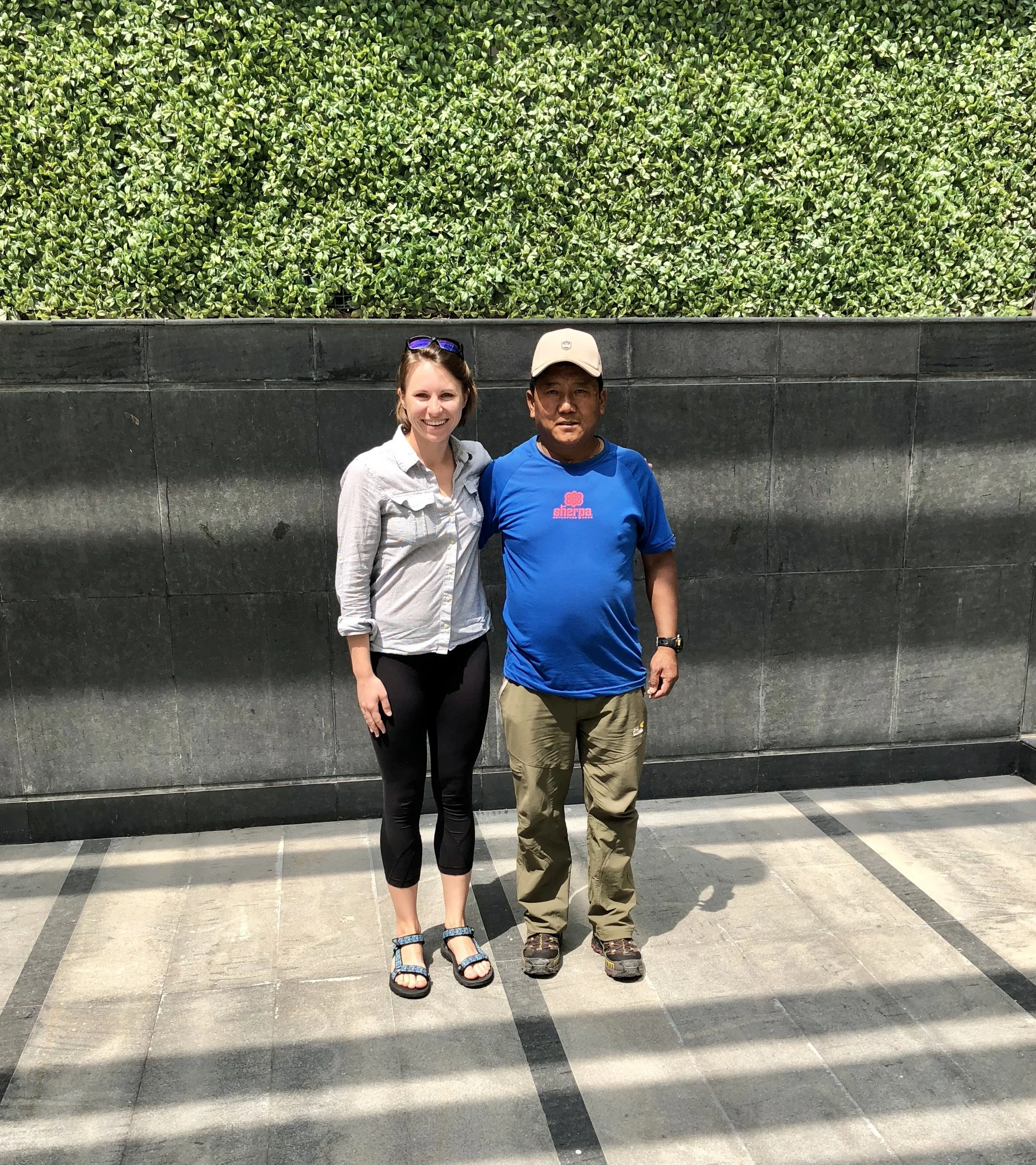
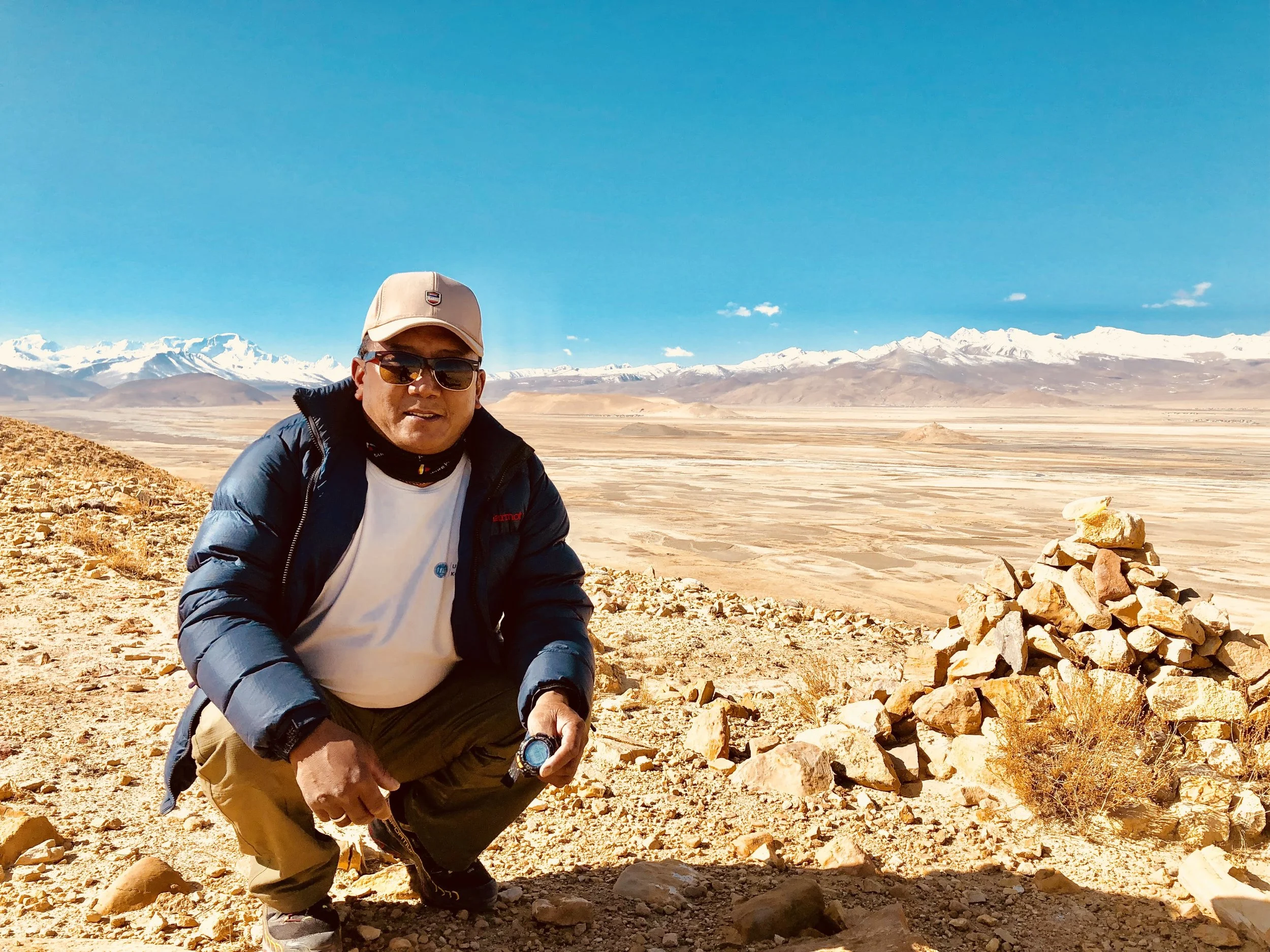
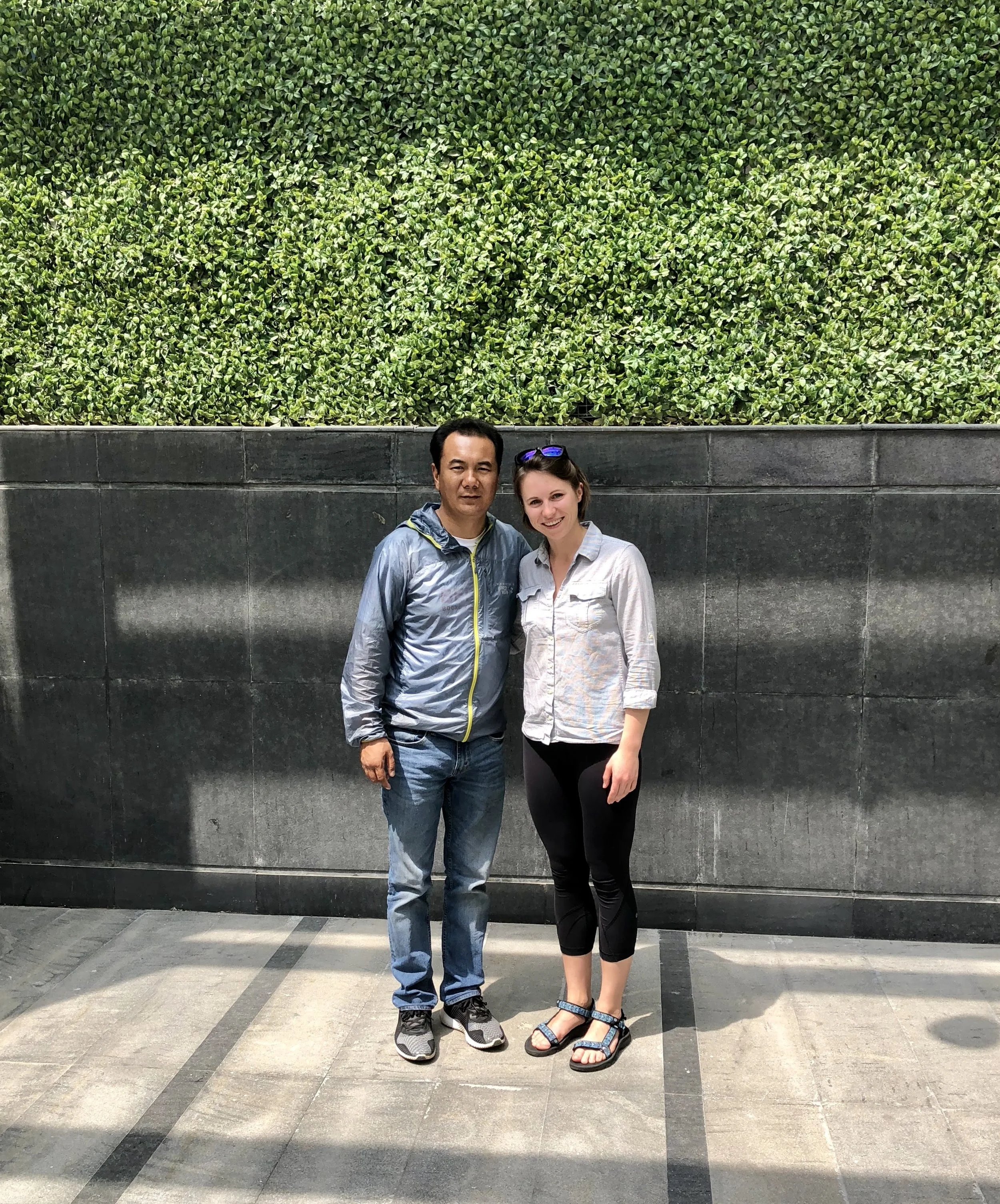
A week prior to departing to Kathmandu I was told that my Sherpa’s name was Chuldim, he was 54 years old, he summited Everest 5 times from the South side and none on the North side. Knowing this little made me nervous so I reached out to my advisor, Michael Hamill, to discuss if I should be negotiating with Mingma for a younger Sherpa. Michael put me at ease reminding me that I needed an experienced Sherpa and not an ambitious young one. I decided to trust that Mingma chose an appropriate Sherpa for me and flew off to Kathmandu to meet him.
I met Chuldim on my second day in Kathmandu. He was a short, stout man with a very gentle demeanor and good enough English for our conversation to go from small talk immediately to itinerary and route planning. I was happy and felt like we had a good rapport. Good rapport is essential to a successful expedition!
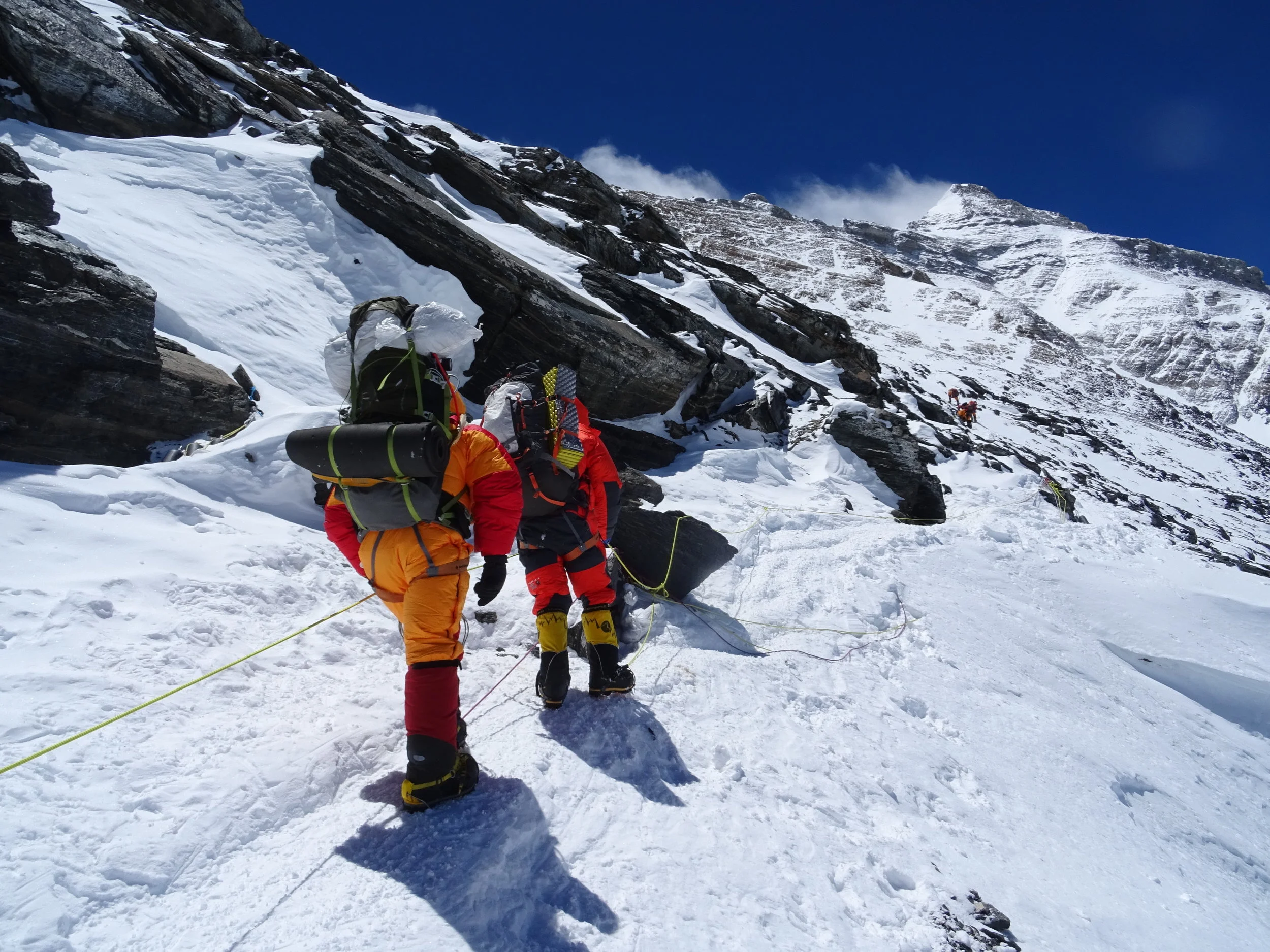
Working with Chuldim
These are the attributes of our rapport that made our expedition a success and allowed us both to summit Everest on the North side for our very first time:
Clear understanding of who was the leader and who was the expert
I enjoy leading my own expeditions. When Chuldim and I met it was made clear that I was the leader of the expedition and he was the expert. I took the initiative to plan our itinerary but only after consulting with Chuldim and getting his opinion and approval. I also leveraged friendships that I made with commercial guides at basecamp to attain information that I needed to make educated decisions
Thorough Communication
Chuldim’s English was good enough for us to keep a conversation. However, sometimes I would notice that he would give me a polite smile and nod after I finished telling him something. With English being my 3rd language I knew that it meant that he probably didn’t understand all or some of what I told him. I would make sure to repeat myself to confirm that he understood what I said to him if it was important (e.g. itinerary, route, acclimatization plans, yak travel, carry schedule, etc.). Don’t assume that your Sherpa will know what you want them to do and what you will be doing. Discuss and confirm that both of you agree.
Empathy for Each Other
Everest expeditions are hard physically and mentally. I asked Chuldim if he found Everest expeditions hard, he said “yes”. That made me feel better about myself, because prior to that I didn’t know if I was just weak. Knowing that he was also struggling like me made me treat him like I wanted to be treated. He always made sure that I was doing well and if I needed anything and I did the same for him. I wanted to ensure that he was healthy and well rested since he worked harder than me and still had to help me on our summit bid. I carried as much extra weight as I could to help him.
Independence
Chuldim and I travelled from Kathmandu to Base Camp together. We also did the first acclimatization run up to Camp 1 together. While I did the second acclimatization run up to Advanced Base Camp (ABC) by myself, Chuldim carried our equipment to cache it at higher camps. He completed the second acclimatization run to Camp 1 together with me. While he continued the runs to high camps I descended to Base Camp and rested without him. The next time I met with him was at ABC for the actual summit bid. The suggestion here is; figure out your concrete itinerary so both of you can be independently working on it and know exactly when and where you will reconnect even if you can’t communicate.
Tragedies to both clients and sherpas occurred during my expedition and coincidentally those teams did not have good rapports. When you’re doing a life threatening activity you need to ensure you are working with someone who has your back and you have theirs.